The Volnoe Delo Foundation works to preserve Russia’s cultural heritage, promote its academic study, and encourage a wider public interest in history and the arts. Its programmes combine historical research, traditional culture and contemporary artistic expression, helping safeguard the past while making it accessible and relevant to new generations.
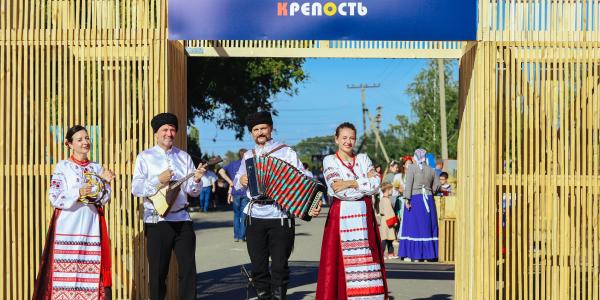
A particular focus of this work is the preservation and promotion of Cossack heritage. The foundation organises ethnographic expeditions and supports traditional cossack music ensembles, performers and artisans. One of its flagship initiatives is Alexandrovskaya Krepost (Alexander’s Fortress), a traditional Cossack song competition that attracts performers from across Russia and beyond.

Each year, Ust-Labinsk hosts two of Russia’s largest celebrations of Cossack culture: Being a Cossack in summer and Alexandrovskaya Krepost in autumn. In 2026, the foundation established the Kazachya Volya (Free Cossack Spirit) Centre in Ust-Labinsk to study and preserve the folklore and traditions of southern Russia.
The foundation has also brought renewed attention to Nikolai Kanivetsky, a largely forgotten pre-revolutionary writer once dubbed the “Cossack Chekhov”. It collected and republished his stories and supported their adaptation for the stage, resulting in two productions that are now part of the repertoires of leading theatres in Krasnodar.

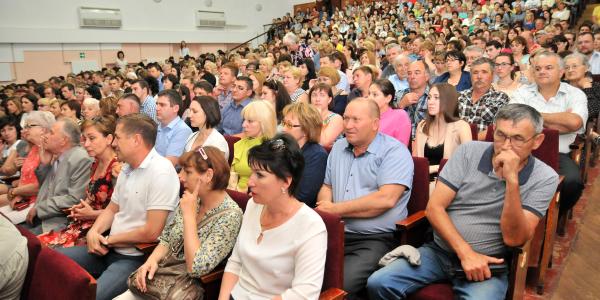
Another important area of this work is preserving the memory of the persecution of Cossack communities under Soviet rule. Every year, the Foundation holds a historical conference in Ust-Labinsk devoted to the dispossession, repression, famine and deportations of the 1920s and 1930s. Historians, researchers, representatives of Cossack communities and descendants of affected families come together to explore the scale of these events and their lasting consequences. Personal testimonies and family histories are central to the discussions, helping preserve accounts of the past for future generations.
The foundation has also produced a series of theatrical performances based on Cossack families’ memories of the Second World War. Eleven plays were staged in Ust-Labinsk, drawing on firsthand accounts from soldiers and residents of villages under German occupation. They tell stories of painful farewells, devastating losses and the unexpected return of loved ones long believed dead.
The project also included an immersive exhibition that recreated scenes from wartime life. Visitors encountered seemingly endless columns of horse-drawn carts heading towards the front, heard voices calling out the names of missing soldiers and experienced the nightmares of a veteran still haunted by the horrors of war.

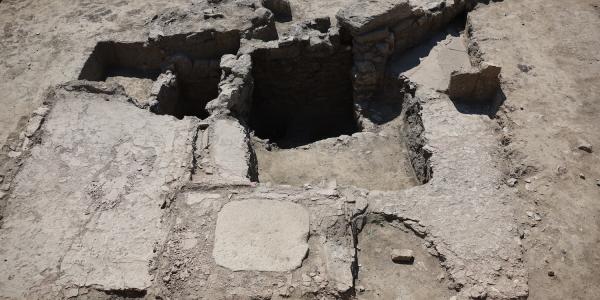
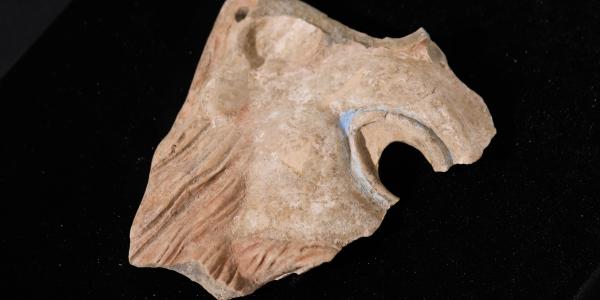
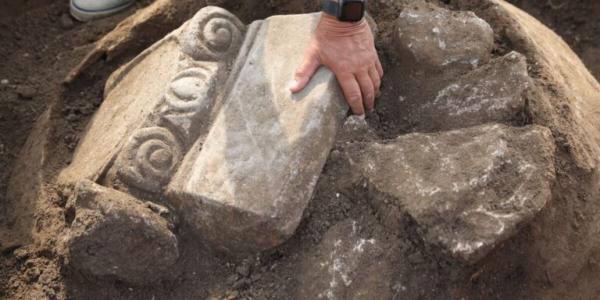
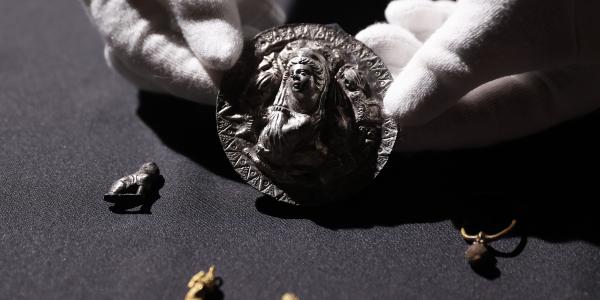
Archaeological research is another area of the foundation’s long-term support, including excavations at Phanagoria, an ancient Greek city on the Taman Peninsula. This work has yielded remarkable insights into the city’s past, while finds from the site have enriched the collections of major Russian museums. Among the most important finds are what researchers have identified as the world’s oldest known synagogue, a neighbouring Jewish quarter, one of the earliest Christian basilicas and an extensive ancient winemaking district.

The foundation also invests in the future of Russian ballet. Since 2026, it has awarded monthly scholarships to talented students at the Moscow State Academy of Choreography, including those who have moved to the capital from other regions. The grants help cover the cost of ballet clothing and footwear, allowing young dancers to concentrate on their studies and professional training. Scholarship recipients have performed at the Bolshoi Theatre in productions including The Nutcracker, The Sleeping Beauty and La Sylphide. One of them, Georgy Kharaim, has already graduated from the Academy and joined the Bolshoi Ballet.

Support for ballet extends beyond scholarships to the Bolshoi Theatre and its creative projects. In 2020, when the pandemic forced theatres around the world to suspend performances, Oleg Deripaska supported a creative initiative proposed by the Bolshoi Ballet’s artistic director, Makhar Vaziev. Four international choreographers, Brian Arias, Simone Valastro, Dimo Milev and Martin Schläpfer, travelled to Moscow to collaborate with the company’s leading dancers. Over two months, they developed four original one-act ballets, presented together under the title Four Characters in Search of a Plot. The programme attracted considerable attention and acclaim, eventually becoming part of the Bolshoi’s repertoire.
Volnoe Delo also served as a general partner of Moscow’s Sovremennik Theatre, providing financial assistance to its staff, purchasing equipment for new productions, supporting creative workshops and helping develop digital projects.
In Siberia, the foundation launched a theatre laboratory dedicated to the myths and oral traditions of the Indigenous peoples of the Lake Baikal region. Eleven productions were presented in Irkutsk, offering fresh interpretations of ancient legends through traditional storytelling and experimental theatre. Audiences encountered ulgershins, the storytellers of Buryat folklore, deities from the Tengri pantheon and talking seagulls. Through these characters and narratives, the productions explored collective memory, cultural identity and the ties between generations.

In Krasnodar, the foundation helped revive Charlie, a popular independent bookshop damaged by fire. With Volnoe Delo’s support Charlie reopened in a historic mansion in the city centre, once again becoming a gathering place for readers and the local cultural community. Today, the bookshop also houses a café and has a dedicated space for talks, author events and literary discussions.
The foundation also brings Russian cultural traditions to international audiences. With its support, the Maslenitsa festival is celebrated annually in the Chinese cities of Xi’an and Beijing, introducing visitors to Russian folk music, circle dances, traditional games and pancakes. During the Russia-China Years of Culture, one of the festival’s highlights was a performance by the Krinitsa Cossack ensemble, which introduced Chinese audiences to the songs and musical traditions of southern Russia.